
When it Comes to Playtime, Let Your Little One Take the Lead
1) Why is playtime vital for children’s development?
2) What are the consequences of declining playtime for children?
3) How can parents encourage effective playtime for their children?

1) Why is playtime vital for children’s development?
2) What are the consequences of declining playtime for children?
3) How can parents encourage effective playtime for their children?

1) How does spending one-on-one time with kids nurture shy children?
2) What impact does one-on-one time have on a child’s perception of care and attention from their parent?
3) Can one-on-one time with parents reduce negative behaviors in children?

1) How can the use of words and voice tones influence a child’s development at home?
2) What is the impact of giving praise to children at home?
3) How can parents build a positive mindset in their children at home?
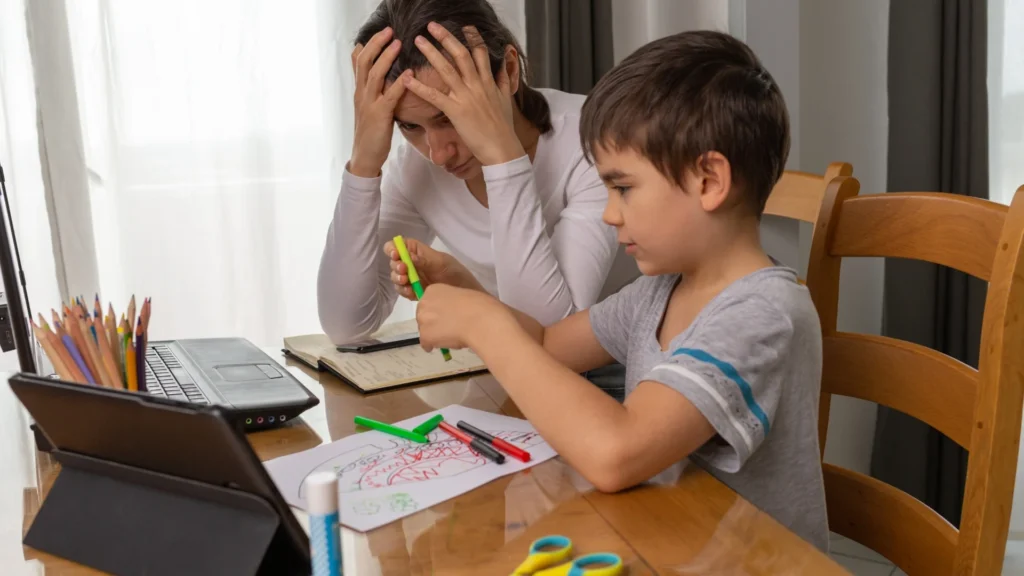
1) What is the significance of a parent’s self-confidence in their parenting approach?
2) How can a parent control their emotions to portray confidence to their child?
3) What are some practical tips for parents to demonstrate confidence in their interactions with their children?

1) How can visiting an art museum help foster a child’s creativity?
2) What is the role of trial and error in a child’s creative process?
3) How can parents give their children the freedom to express creativity while setting boundaries?

1) How can parents make their children feel special and remembered during the school day?
2) What are some effective ways for parents to bond with their children at home, despite a busy schedule?
3) How can parents create meaningful family interactions around mealtimes?
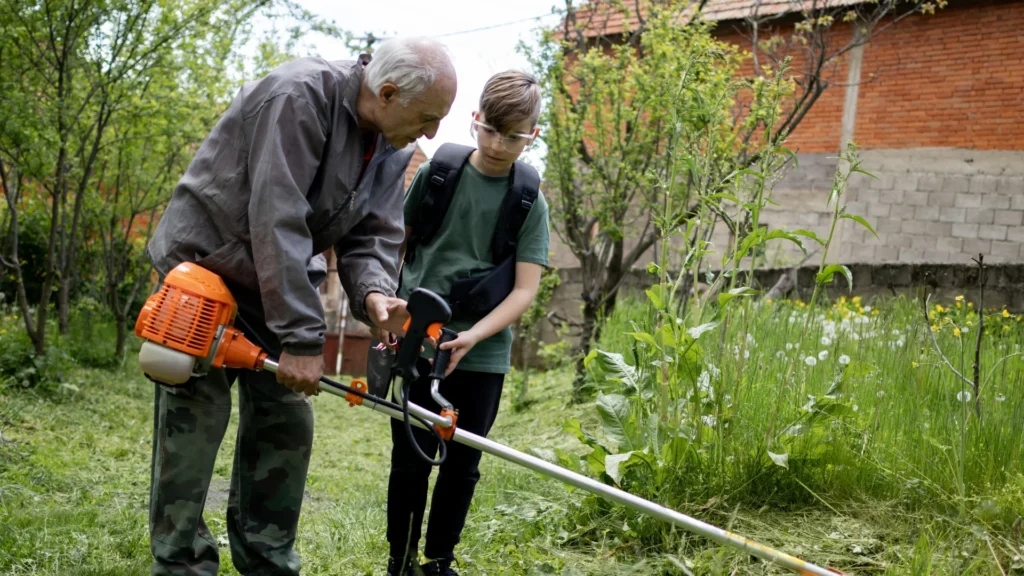
1) What types of chores are appropriate for very young children (ages 2-3) to start learning about responsibility?
2) How do responsibilities evolve for children as they grow older, particularly for those in the ages 8-11 bracket?
3) What are some key responsibilities for teenagers (ages 14-18) that prepare them for adulthood?

1) How can observing a child’s actions and behaviors help in identifying their strengths?
2) What is the importance of focusing on a child’s strengths, especially in the context of learning challenges or disabilities?
3) How can parents effectively engage their child’s strengths in learning and daily activities?

1) How can keeping a behavior journal help children learn about responsibility?
2) What is the significance of ‘Helpful Hands’ activities in teaching kids about responsibility?
3) How does teaching timeliness and community responsibility contribute to a child’s understanding of responsibility?

1) How does technology provide an opportunity for children to apply their existing knowledge in a classroom setting?
2) In what ways does technology make learning more enjoyable for children and how does this impact their confidence?
3) How can technology help shy students become more involved and confident in the classroom?